On this page
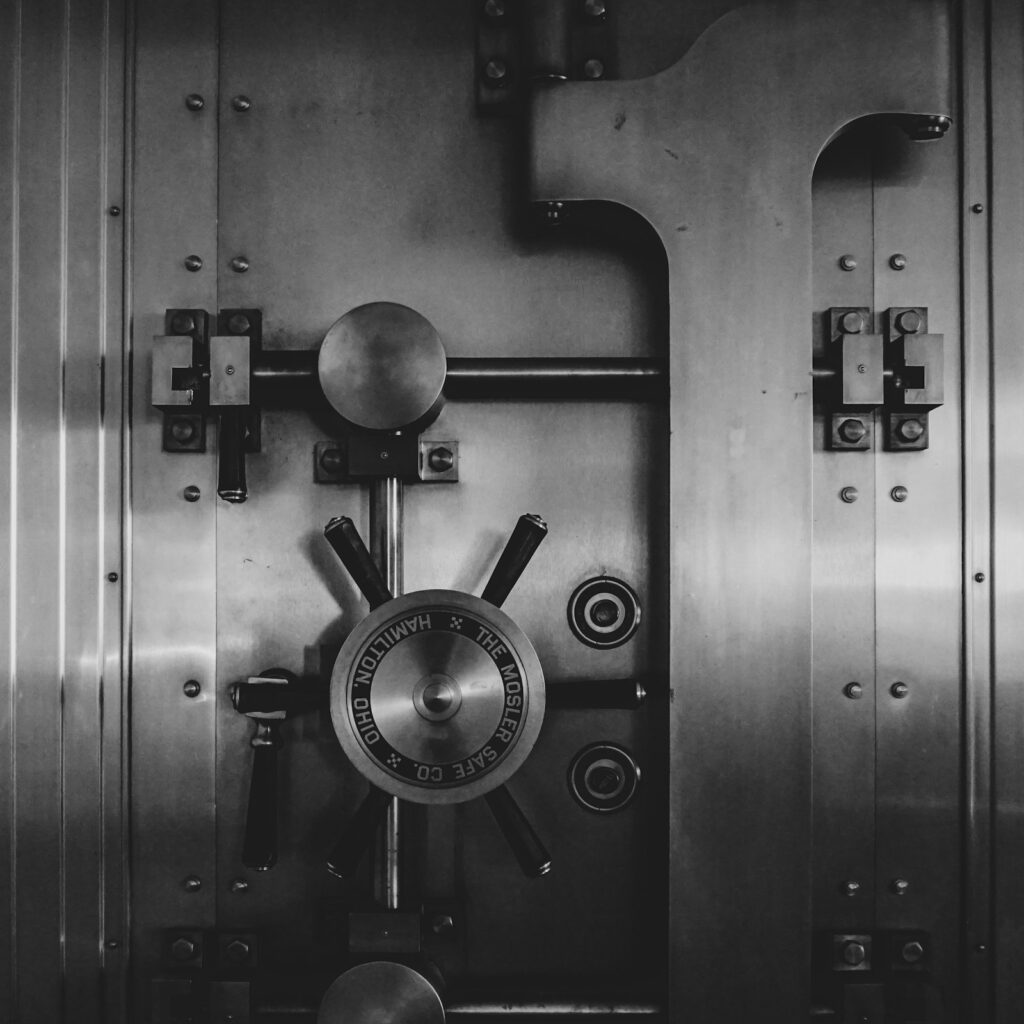
The best safe for restaurants, cafés and pubs is usually two safes: a deposit safe near the bar or counter so staff can drop shift takings without opening it, and a rated safe in the back office for floats, banking and documents. Size the cash rating to your busiest night, bolt both safes to the floor, and keep codes in as few hands as possible.
Hospitality has its own challenges: late finishes, several registers, rotating casual staff, tips, and in some venues gaming and accommodation. This guide walks through each one. For a wider view of business safes, see our full guide to business and commercial safes.
What a safe for restaurants and pubs needs to protect
- Floats for each register, bar and bottle shop.
- Takings from each shift until they are banked or collected.
- Tips waiting to be distributed.
- Keys for cool rooms, bottle stores, offices and vehicles.
- Documents such as rosters, contracts, licences and banking records.
- Guest valuables in accommodation venues.
Each of these has a different access pattern. Floats need to be issued and returned quickly, takings should be dropped and left alone, and keys need to be tracked. That is why one safe rarely suits every job.
Float storage: the back-office safe
The main safe holds floats overnight and the banking until it goes to the bank or is collected. Choose:
- A cash rating that covers the total of all floats plus your largest overnight takings. Weekends, public holidays and events can be several times a normal night, so plan for those.
- A digital lock with multiple user codes, so each manager has their own code and you can remove one without changing everyone’s.
- Enough shelf space for float tills or cash bags, banking books and a few documents.
The Platinum Safes Night Guard is designed for overnight cash storage between operating hours and cash pickups. The Platinum Safes Night Guard NG1 D has a digital lock, weighs around 140kg and is listed with a cash rating of $20,001 to $40,000. In our range it starts from around $2,240. Prices change, so check the product page.
Shift takings: deposit safes
In a busy venue, the safest moment to move cash is during the shift, not after close. A deposit safe lets bar and floor staff drop excess notes or sealed shift envelopes without being able to get them back. The manager or a cash collection service opens it later.
For a small café or restaurant, a compact under-counter drop safe is often enough. The CMI Restaurant Safe SUB1 is a key-locked drop safe with a deposit slot, designed for under-counter installation, and is listed with a cash rating of $5,001 to $10,000. It starts from around $1,145 in our range. For larger pubs, a front-deposit commercial safe or rotary deposit safe handles more volume.
Our article on how deposit safes work compares drop slots, rotary hoppers and drawer deposits. If you only need to lock away a till drawer at close, our guide to under-counter till drawer safes may suit better.
Venues with gaming machines
Pubs and clubs with gaming machines handle more cash than a typical restaurant, and cash moves between machines, cashier stations and the office. Gaming venues may have cash handling and security obligations under their licence and state gaming laws. Check the current requirements with your state gaming regulator and your insurer before you choose a safe. In practice, these venues usually need higher-rated safes, dual control, and time-delay locks for the cashier area.
End-of-night routine
A safe works best with a routine that every closing manager follows. A simple version:
- Lock external doors before any cash is counted. Victoria Police’s cash handling tips recommend this, along with not counting cash in front of customers.
- Two people count each register and sign the count sheet.
- Floats go back into the main safe. Takings are sealed, recorded and placed in the safe or deposit chute.
- Leave empty register drawers open so it is obvious there is nothing in them.
- Set the alarm and lock up.
Our full guide to cash handling practices for small businesses covers banking runs, dual control and staff training in more depth.
Key control
Hospitality venues often have a surprising number of keys: cool rooms, liquor stores, cellars, offices, gaming cabinets and vehicles. Lost or copied keys are a common cause of stock loss. A lockable key cabinet keeps them organised, and a key safe adds burglary resistance for master keys. Our article on key cabinets vs key safes for businesses explains which suits your venue.
Accommodation: room safes
Hotels, motels and serviced apartments need in-room safes that guests can use without instructions. Look for:
- A guest-set code that changes at each closing.
- A management override for lockouts and checkouts.
- Low battery warnings.
- An audit trail of recent openings, useful when a guest reports a problem.
- A size that fits a laptop and a wardrobe shelf.
The Guardall Hotel Safe GDFH25CS, for example, has a 4 to 6 digit user code, low battery indication and an optional audit trail printout of the last 100 records. Our hotel room safes start from around $215. Room safes deter opportunistic theft rather than a determined attack, so they do not replace the venue’s own rated safe. Our article are hotel safes really safe? covers the guest’s perspective.
Placement and installation in a venue
- Keep safes out of public view. Back offices are ideal for the main safe.
- Avoid wet and hot areas. Kitchens, glass washers and cellar floors are hard on locks and steel.
- Use a concrete floor for anchoring. Older pubs with timber floors may need a different fixing approach, which an installer can assess.
- Check access. Narrow stairs to upstairs offices are common in older buildings, so measure before you buy.
Our safe installation and anchoring service covers Melbourne and, through our national network, venues around Australia.
Frequently Asked Questions
What type of safe is best for a restaurant?
Most restaurants are best served by a deposit safe for shift takings, so staff can drop cash without opening the safe, plus a rated safe in the office for floats and the banking. Small cafés with one register may manage with a till drawer safe and a compact deposit safe. Choose a cash rating that covers your busiest overnight holding.
Where should a safe go in a pub or restaurant?
The main safe is best in a back office that customers cannot see or reach, away from external doors and windows, and bolted to a concrete floor. Deposit safes can sit closer to the bar or counter, but still out of public view. Avoid kitchens and wet areas, where heat and moisture can affect locks and electronics.
Do hotels and motels need special room safes?
Accommodation room safes are designed for guests. They use simple guest-set codes, a management override, and on some models a record of recent openings. They are compact so they fit in wardrobes and are bolted to the floor or wall. They protect against opportunistic theft rather than a determined attack, so they are not a substitute for the venue’s own rated safe.
How should a venue manage safe codes with rotating staff?
Limit codes to managers who need them, give each person their own code where the lock allows it, and change codes whenever someone with access leaves. Deposit safes help because bar and floor staff can drop takings without ever knowing the code. Keep a simple register of who holds each code or key and review it regularly.
Talk to us about safes for your venue
We can help you plan the right mix of deposit, office and room safes for your pub, café, restaurant or hotel. Visit our Tullamarine showroom at 38 Barrie Rd to see over 350 safes, call us on 0409 860 011, or send us your venue details.