On this page
- Why jewellers and pawnbrokers are different
- Start with your insurer
- Understanding ratings for high-value stock
- Features that matter in a jeweller safe
- Examples from our range
- Overnight storage routine
- When to move to a strongroom
- Installation and floor loading
- Frequently Asked Questions
- Talk to us about a jeweller safe
A jeweller safe needs a high cash rating matched to the value of stock held overnight, and in most cases that rating is set by your insurer, not by you. For most jewellers and pawnbrokers that means a high-security (torch and drill resistant) safe, bolted down, paired with a monitored alarm, and in larger stores a strongroom. The safe, the alarm and your closing routine all have to meet the policy’s conditions for cover to apply.
This guide explains how to work out the rating you need, which features matter, and how to plan overnight storage. It is part of our wider guide to safes for business.
Why jewellers and pawnbrokers are different
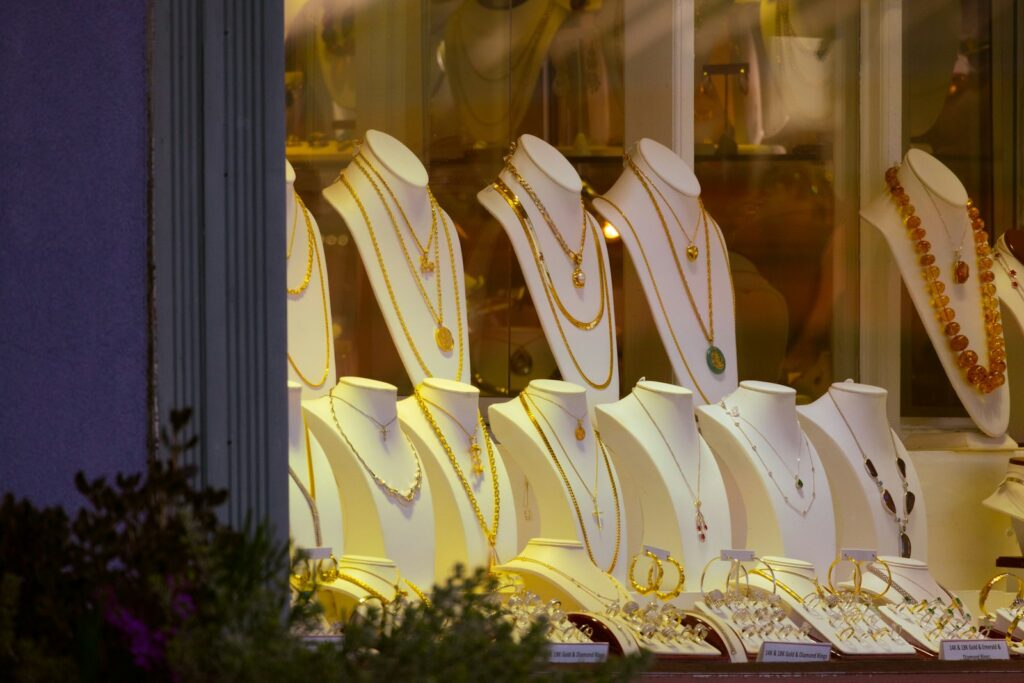
Most businesses size a safe for cash. Jewellers and pawnbrokers size it for stock, and stock values can be many times a shop’s daily takings. The goods are small, portable and easy to sell, which makes them attractive to offenders. And unlike cash, jewellery cannot be banked each night, so the safe has to hold the full value of the display at close.
Pawnbrokers have an added responsibility. Pledged items belong to customers until the loan term ends, so losing them means a claim from the customer as well as a loss to the business.
Start with your insurer
For a jeweller safe, the insurer’s requirements usually decide the minimum specification. Before you shop, ask your insurer or broker for written answers to these questions:
- What safe rating or grade is required for our overnight stock value?
- Does the limit change if the premises have a monitored alarm?
- Does the safe need its own alarm protection, such as seismic or door contacts?
- Must the safe be anchored, and to what?
- Are there limits on stock left outside the safe overnight, or in window displays during trade?
- Do you need a time lock, or a set closing routine?
- What documentation do you need from us, such as invoices or rating certificates?
Our article on how insurers look at safes covers the basics, and our guide to cash ratings, grades and standards explains how ratings are tested and labelled.
Understanding ratings for high-value stock
Australian safes carry an indicative cash rating, such as $200,001 to $300,000. It assumes the safe is installed as specified and is a guide only; your insurer decides what it will accept. Some imported safes are tested to the European EN 1143-1 standard and carry a grade instead, which many insurers recognise.
Insurers may treat jewellery differently from cash, so the stock value they accept in a safe may differ from its cash rating. Always confirm with your insurer rather than assuming the two are the same.
Features that matter in a jeweller safe
Torch and drill resistance
High-security safes use composite walls and hardened plate to resist cutting, drilling and torch attack. Our short explainer on torch and drill resistant safes covers how they are built and where they are used.
Relockers
Quality high-security safes include relocking devices that lock the bolts permanently if the safe is attacked. They are common on rated safes and are one reason rated safes are worth the cost.
Time locks and time delay
A time lock prevents the safe opening outside set hours, even with the correct code. Time delay makes the safe wait a set period after the code is entered. Both reduce the risk of staff being forced to open the safe. Ask us which models in our range can be fitted with these locks.
Dual control and audit trails
Electronic locks with multiple users, dual-code opening and an audit log let you control who opens the safe and see when it happened.
Interior fit-out
Jewellers need shelves, drawers and trays that make it quick to move display stock in at close and out at opening. Check that the interior suits your display trays before you buy.
Fire protection
Many high-security safes in our range also carry a 60 minute fire rating, which protects stock records and certificates as well as the goods.
Examples from our range
- CMI Commander series: the CMI Commander Safe CR2 is listed with a cash rating of $200,001 to $300,000 and 60 minute fire resistance, and starts from around $7,350. The range goes up to the CMI Commander Banker CR10-B, listed at $400,001 to $500,000.
- Chubb Europa Grade V: the Chubb Europa Grade V Size 5 is listed at $200,001 to $300,000 and starts from around $19,770.
- Guardall KCR series: also listed at $200,001 to $300,000, starting from around $3,480 for the KCR510.
Prices change, so check product pages or call us for a current quote. You can compare more options in our high-security safes category.
Overnight storage routine
A high-rated safe protects nothing if stock stays in the cabinets. A typical closing routine:
- Clear window and counter displays into trays, starting with the highest-value pieces.
- Two staff check tray contents against the stock list.
- Trays go into the safe in a set order so nothing is missed.
- The safe is locked, the time lock set where fitted, and the alarm armed.
- Leave empty display cabinets visible so it is clear there is nothing left out.
The same principles of dual control and limited access apply to cash. Our guide to cash handling procedures for retailers covers them in detail.
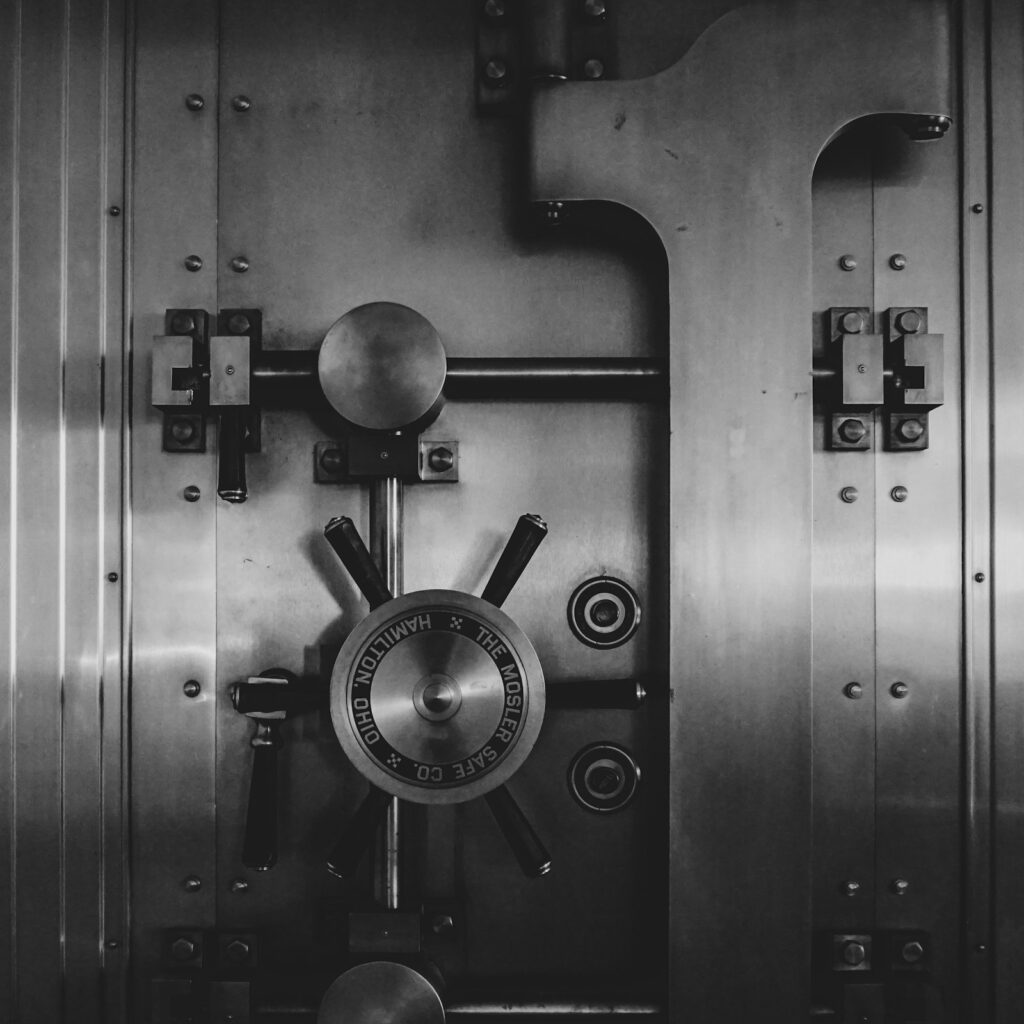
When to move to a strongroom
As a business grows, it often outgrows safes. Signs it is time to consider a strongroom:
- You need several large safes to hold the display.
- Your insurer is asking for a higher rating than safes in your space can offer.
- Staff need to walk in to manage stock, repairs or pledged goods.
A strongroom combines a reinforced room with a rated door. Our guide to strongroom and vault doors for businesses explains construction, door ratings and day gates.
Installation and floor loading
High-security safes are heavy, and a jewellery store in a shopping centre or upper floor may have floor loading limits. Check with the building owner or centre management before ordering. Shopping centres may also restrict when heavy deliveries can come through, so ask about access times early. Our safe installation service handles delivery, positioning and anchoring.
Frequently Asked Questions
What rating does a jeweller safe need?
There is no single answer, because the rating depends on the value of stock held overnight and on your insurer’s requirements. Jewellers commonly need high-security safes with ratings in the hundreds of thousands of dollars, combined with monitored alarms. Get your insurer’s requirements in writing before you buy, and choose a safe rated at or above the value you will hold.
Should a jeweller use one large safe or several smaller ones?
It depends on your stock value, floor space and insurer. Several safes can split risk, let you keep high-value pieces in the highest-rated unit, and spread weight across the floor. One large safe is simpler to manage at close. Larger stores often outgrow safes entirely and move to a strongroom with a rated door.
What is a TDR safe and do jewellers need one?
TDR stands for torch and drill resistant. These safes use composite walls and hardplate designed to resist cutting, drilling and torch attack. They are common in jewellery stores because overnight stock values are high and insurers often require that level of protection. Whether you need one depends on your stock value and your insurer’s conditions.
How should pawnbrokers store pledged goods?
Pledged items belong to customers until the loan term ends, so they need the same care as stock. Store high-value, small items such as jewellery and watches in a rated safe, keep bulkier goods in a secured storeroom, and record where each item is kept. Check your insurer’s requirements and any conditions that apply to your licence in your state.
Talk to us about a jeweller safe
Bring your insurer’s requirements to our showroom at 38 Barrie Rd, Tullamarine and we will show you high-security safes and strongroom doors that meet them. Call us on 0409 860 011 or request a quote online.