On this page
- What Determines a Fire Safe Lifespan
- Always Replace a Safe That Has Been Through a Fire
- Damage From Moving, Dropping and Impact
- Warning Signs to Check Once a Year
- Older Fire Safes and Asbestos
- Buying a Used Fire Safe: Proceed Carefully
- Retiring an Old Fire Safe
- Frequently Asked Questions
- Have Your Fire Safe Checked
There is no universal expiry date on a fire-resistant safe. A fire safe lifespan depends on its condition: as long as the insulation is intact, the door closes and seals properly, and the body is free of serious damage or rust, a well-made safe can keep protecting for many years. It should be replaced after it has been through a fire, after a heavy drop or impact, or when corrosion or a poorly sealing door means you can no longer trust its rating.
This article explains what wears out, the warning signs to check, and how to approach older and second-hand fire safes. For the basics of how fire safes work and how to choose one, see our guide to choosing a fire-resistant safe.
What Determines a Fire Safe Lifespan
A fire-resistant safe protects its contents with insulation built into the walls and door. The fire rating reflects how that construction performed when the safe was new and tested. Our explainer on what a fire rating promises covers the test itself.
Over time, four things affect whether the safe would still perform the same way:
- Insulation integrity. Cracks, voids or crumbling material create paths for heat.
- Door fit and seals. A warped door, worn hinges or a damaged seal strip let hot gases in.
- Corrosion. Rust weakens the steel skin and can spread around the door edge and floor.
- Locks and mechanisms. A lock that fails does not reduce fire protection directly, but it can stop you closing the safe properly or getting to the contents.
Always Replace a Safe That Has Been Through a Fire
This is the clearest rule. A fire safe that has protected its contents in a real fire has done its job and should be retired. The published scope of the UL 72 standard states that its tests are intended to demonstrate performance during exposure to fire, not to determine whether the equipment is acceptable for use after fire exposure.
There are practical reasons too. Many fire insulation materials contain moisture that helps keep the interior cool during a fire. Once that has been driven off by heat, and once the steel has expanded, warped or scaled, the safe will not behave as it did when tested. Even if it looks fine from the outside, assume the rating no longer applies.
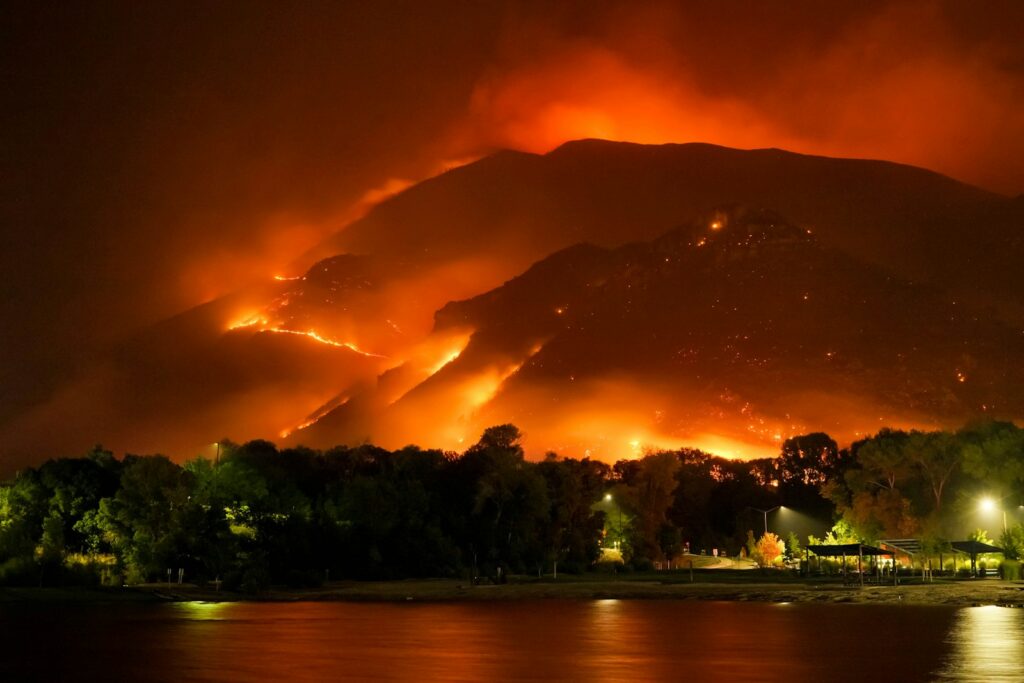
If your safe has been exposed to bushfire or a house fire, our article on bushfire planning for documents and valuables covers what to do with the contents and how to plan for next time.
Damage From Moving, Dropping and Impact
Fire safes are often lighter and less rugged than burglary safes. Their insulation can crack if the safe is dropped, tipped down stairs, or carried on a trolley that bangs over steps. The damage may not be visible.
Some fire safes are tested for impact, but many are not, so we recommend treating every fire safe as fragile when it is moved. Use professional safe movers with stair-climbing equipment and proper strapping. If a safe has been dropped, have it inspected before you rely on it again.
Warning Signs to Check Once a Year
A quick annual check helps you spot problems early:
- Close the door slowly. It should meet the frame evenly without needing to be forced. Gaps, rubbing or a door that springs open are signs of warping or hinge wear.
- Inspect the seal strip. Look for tears, missing sections or seals that have come loose around the door or frame.
- Look inside for dust or fragments. Powdery material or crumbs from the walls or door edge can indicate damaged insulation.
- Check for rust, particularly on the floor of the safe, around the door edge and at the base where it meets the floor.
- Look for heat damage. Blistered or discoloured paint suggests past heat exposure.
- Test the lock and bolts. They should operate smoothly. Replace batteries in electronic locks on a schedule.
Moisture is the most common cause of rust inside a fire safe. Our article on keeping moisture out of a fire safe explains how to use desiccants and choose a dry location.
Older Fire Safes and Asbestos
Old safes can be well built, but there is one specific risk to know about. Ireland’s Health and Safety Authority has published guidance on asbestos risks in safes and fire resistant cabinets. It explains that some manufacturers used asbestos in door seals or as barrier material sealed inside doors and walls, that use continued into the late 1990s for some makers, and that safes and cabinets made before 2000 should be checked.
The same guidance notes that sealed material should not present a risk during normal use, but that cutting, drilling or modifying such a safe must not be done without controls. In Australia, asbestos has been banned nationally since the end of 2003. If you have an older fire safe or cabinet of uncertain age, do not cut, drill or modify it yourself, and get advice from an asbestos professional or your state work health and safety regulator if the inside is damaged. Rules and guidance change, so check with the relevant authority.
Buying a Used Fire Safe: Proceed Carefully
A second-hand fire safe can be good value, but its history matters more than with a burglary safe. You cannot see whether it has been dropped, stored in a damp shed or exposed to heat. Before buying:
- Ask for the history: where it has been, how it was moved and whether it has ever been in a fire or flood.
- Find the rating plate or certification label and confirm the standard and minutes.
- Do the annual checks above on the door, seals, interior and paint.
- Buy from a dealer who inspects stock and can explain what they checked.
Our checklist for buying a used safe covers the wider inspection. In our used safes range, listed fire ratings come from the product information supplied with each safe, and our team can talk you through a particular unit. If you want certainty about the rating, a new fire-resistant safe comes with its current certification.
Retiring an Old Fire Safe
When a safe reaches the end of its useful life, getting it out of the house can be the hardest part. Our safe removal service takes care of it, and our article on what happens to an old safe after removal explains disposal, resale and recycling. For an overview of installation, servicing and moving, see our safe services guide.
Frequently Asked Questions
How long does a fire-resistant safe last?
There is no fixed expiry date. A well-made fire safe kept in a dry place, handled carefully and never exposed to fire can protect for many years. Its lifespan ends when the insulation is damaged, the door no longer seals, corrosion sets in, or it has been through a fire. An annual check of the door, seals and interior helps you spot problems early.
Can I reuse a fire safe after a house fire?
We recommend replacing it, even if the contents survived. Heat changes the insulation and can warp the steel, so the safe is unlikely to perform as it did when tested. The UL 72 standard notes its tests are not intended to determine whether equipment is acceptable for use after fire exposure. Treat the original rating as no longer valid.
Does dropping a fire safe affect its rating?
It can. A drop or heavy knock can crack the insulation inside the walls or door, or shift the door so it no longer seals evenly, and the damage may not be visible. Some safes are impact tested, but many are not. Have a dropped safe inspected, and use professional movers with proper equipment for any relocation.
Is it safe to buy an old fire safe?
It can be, with care. Check the rating label, ask about its history, inspect the door, seals and interior, and buy from a dealer who can explain the safe’s condition. Some safes made before 2000 may contain asbestos in seals or internal packing, so never cut, drill or modify an older safe yourself without professional advice.
Have Your Fire Safe Checked
If you are unsure whether your fire safe is still up to the job, talk to us. Visit our Tullamarine showroom at 38 Barrie Rd to compare new and used fire safes, call 0409 860 011 (Monday to Friday, 9am to 5pm), or ask us about replacing an old fire safe.