On this page
A drug safe for a medical practice must meet your state’s Schedule 8 storage rules for practitioners. In most states that means a steel drug cabinet or safe, fixed to the building, kept locked, with keys or codes held only by authorised practitioners. Because GP, specialist and dental clinics usually hold small quantities, such as doctor’s bag stock and emergency ampoules, the main decisions are which rules apply to your quantity, where the safe goes and how keys are controlled.
Below we compare the confirmed rules for each state, cover the doctor’s bag, and give practical tips on placement and sizing. For the full state-by-state picture, see our guide to compliant Schedule 8 drug safes.
Do you need a drug safe at all?
If your practice holds any Schedule 8 stock, even a few ampoules, your state’s S8 storage rules apply. Prescribing alone does not create a storage obligation, but obtaining S8 medicines for the practice or a doctor’s bag does. In Victoria, the Department of Health says a practitioner not working under a Health Services Permit is solely responsible for how the S8 poisons supplied to them are obtained, stored, used and recorded. Other states take a similar approach.
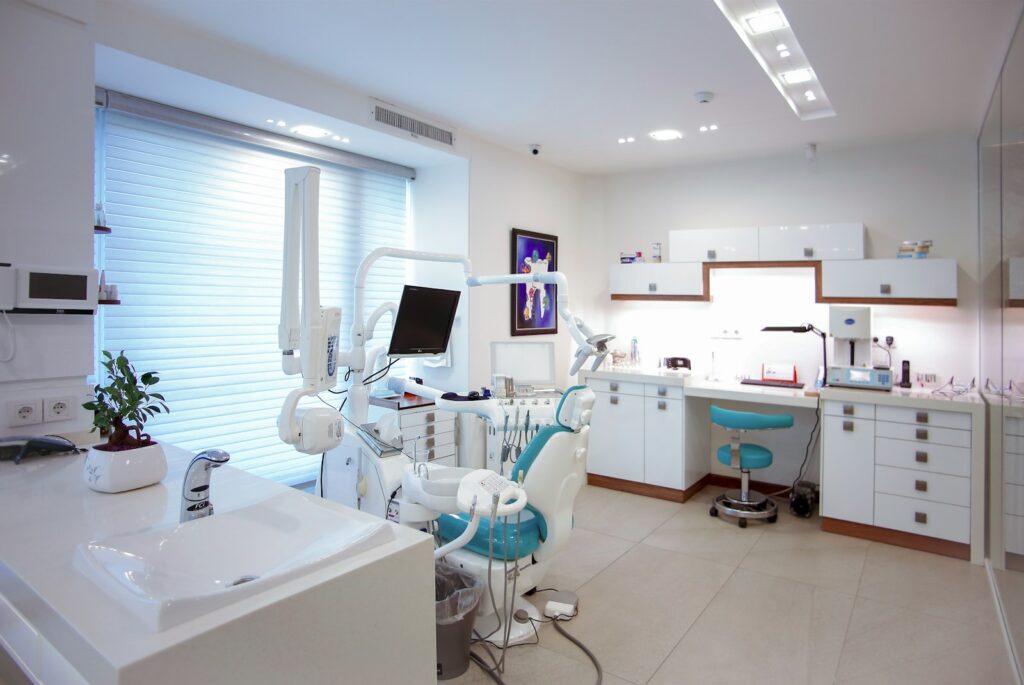
Dental practices are in the same position. Dentists are authorised to hold many scheduled medicines, and any S8 stock they keep needs compliant storage.
Drug safe for a medical practice: state rules
Victoria
Regulation 74 requires a lockable facility, fixed to the floor or wall, at least as secure as a 10 mm mild steel drug cabinet with a 6-lever lock. Two exceptions help small practices: up to six divided doses in total kept for emergencies may be stored in a lockable facility that does not meet the full specification, and S8 poisons transported for use elsewhere may be kept in a portable, lockable container. Our article on S8 storage in Victoria explains the benchmark in detail.
New South Wales
From 5 November 2026, the Medicine Storage Standards apply. Private medical and dental practices are not named in the Standards, so on our reading they fall under “any other place”. That requires a secure lockable cabinet or safe made of metal or hardwood, securely attached with the specified fastenings, located where the public has no access, with codes changed regularly. Confirm this with NSW Health. Our guide to NSW S8 safe requirements covers the fastening specifications.
Queensland
The general S8 safe is 10 mm mild steel with a 6-lever lock, weighing over 350 kg or bolted with at least four 12 mm bolts. Fewer than six doses in total kept for emergencies at a usual place of practice may be held in a lockable hardwood or metal cupboard or drawer. Our Queensland S8 storage guide covers the other alternatives.
Western Australia
For practitioners’ premises other than hospitals and pharmacies, the Medicines and Poisons Regulations 2016 set storage by quantity: up to 250 doses in a small safe, 251 to 500 doses in a small safe with a detection device, and more than 500 doses in a large safe with a detection device, unless an alternative arrangement is approved. A small safe must have a 10 mm solid steel body and door (or a steel skin with 50 mm concrete fill), a door clearance of no more than 1.5 mm, and at least four 12 mm expanding bolts into concrete or brick.
South Australia
The SA Health Code of Practice for the Storage and Transport of Drugs of Dependence allows a lockable hardwood or metal cabinet, drawer or bag to hold a maximum of 30 doses in total. Larger holdings need a safe meeting the Code’s construction requirements, and every S8 safe must also meet removal and detection outcomes. SA Health has published a fact sheet working through a doctor’s bag in general practice as an example.
ACT and Tasmania
In the ACT, section 532 of the Medicines, Poisons and Therapeutic Goods Regulation 2008 lets doctors and dentists store controlled medicines in a locked container that prevents ready access and is securely attached to a building, or in a locked drawer, cupboard, room or vehicle, keeping personal custody of the key. In Tasmania, regulation 29 of the Poisons Regulations 2018 requires an enclosure constructed and secured in a manner approved by the Secretary, kept locked when not in use. Check the Northern Territory’s requirements with NT Health.
The doctor’s bag
The doctor’s bag is where many practices slip up. A few practical points, subject to your state’s rules:
- keep the bag’s S8 contents in the drug safe when the bag is not in use
- use a lockable bag or a lockable container inside it
- do not leave S8 medicines in a vehicle overnight or unattended unless your state clearly allows it
- record every item taken out and returned in your register
Where to put the safe
Choose a staff-only room such as a treatment room or locked store, not reception or a corridor. Avoid external walls and windows, and keep the safe out of sight of patients. The fixing surface matters: a concrete slab or solid masonry wall gives the best result, while stud walls need through-bolting or a backing plate to meet most states’ fixing rules. Fix the safe itself to the structure rather than fixing it inside joinery that could be removed. Our post on bolting a safe down properly covers the basics.
Think about emergency access too. If a practitioner needs an emergency dose quickly, the safe should be close to where resuscitation equipment is kept, but still out of public view.
Key control and records
- Keys stay with the authorised practitioner on duty or in a separate locked key safe.
- Never leave the key in the door or in a “hidden” spot in the room.
- Change codes regularly and whenever someone with access leaves.
- Keep the S8 register current, investigate discrepancies, and report losses or thefts as your state requires. In Victoria, for example, losses and thefts must be reported to police and the Department of Health.
Choosing the right size
Most medical and dental practices need a compact cabinet rather than a pharmacy-sized safe. Measure the boxes you actually hold, add space for the doctor’s bag contents and a little growth, and check the internal shelf height. In our drug safes for clinics, compact models start with the Secuguard SD1K key-lock drug safe at around $693, while Platinum, Chubb, CMI and Guardall offer small cabinets from roughly $900 to $1,700. Prices change, so check the product pages, and compare each model’s construction against your state’s rules before you buy.
Our technicians provide drug safe installation for clinics across Melbourne and nationally through our network. If you also need a safe for petty cash or records, our commercial safe buying guide covers business safes.
This is general information, not legal advice. Rules change, so confirm your obligations with your state or territory health department.
Frequently Asked Questions
Does a GP clinic need a drug safe for a few emergency ampoules?
Often a lighter option is allowed for very small emergency stocks. Victoria permits up to six divided doses in total, held for emergencies, in a lockable facility that does not meet the full drug cabinet specification. Queensland allows fewer than six emergency doses in a lockable hardwood or metal cupboard or drawer. Above those limits, the full S8 storage rules apply.
Can I keep my doctor’s bag in the car overnight?
Not in Queensland, where the storage standard says S8 medicines may not be left in vehicles overnight or when the vehicle is unattended. Tasmania allows practitioners to keep narcotic substances in a bag in a vehicle or room that is securely locked when unoccupied, for emergency purposes. Other states have their own rules, so check before relying on vehicle storage.
Is a lockable cupboard enough for S8 medicines in a NSW medical practice?
From 5 November 2026, places not specifically listed in NSW’s Medicine Storage Standards must use a secure lockable cabinet or safe made of metal or hardwood, securely fixed with the specified fastenings and kept where the public cannot access it. On our reading this covers most private medical and dental practices, but confirm with NSW Health.
Who is responsible for S8 storage in a private practice?
Usually the practitioner who obtained the medicines. Victoria’s Department of Health says that where a practitioner is not working under a Health Services Permit, compliance with how S8 poisons are obtained, stored, used and recorded is the sole responsibility of the practitioner to whom they were supplied. NSW places responsibility on the authorised person in settings other than hospitals and aged care.
Get the right drug safe for your practice
Visit our Tullamarine showroom at 38 Barrie Rd to see over 350 new and used safes, including compact drug safes, or call 0409 860 011. You can also get in touch with Precision Safes with your state, stock list and wall type for a recommendation.