On this page
Most fire-resistant safes are not waterproof. A fire rating measures how well a safe keeps heat out, not water, so unless a product is specifically sold as a waterproof fire safe and names the water test it passed, assume floodwater or firefighting water can get inside. The good news is that some simple steps, such as careful placement, sealed pouches and moisture control, greatly reduce the risk.
This article explains how water gets into fire safes, why humidity is a hidden issue with fire insulation, and what to do after a flood. It is part of our full guide to fire-resistant safes.
Why a Fire Rating Is Not a Water Rating
Fire tests put a safe in a furnace and measure the temperature inside. They do not check whether the door seal keeps water out. A safe can pass a two-hour paper fire test and still let water in through the door gap, around the hinges or through fixing holes.
Some fire safes on the market are also sold with a water-resistance or submersion claim. If you need one, look for the details: how deep, for how long, and whether the safe was tested after a fire as well as on its own. A label that simply says “waterproof” without a test is a marketing claim. Ask us which models in our range carry a stated water test before you buy.
Three Ways Water Reaches the Inside of a Fire Safe
1. Firefighting water
Firefighters use large volumes of water, and a safe in a burning building can be sprayed directly or left standing in water for days afterwards. Even if the safe kept the heat out, contents can arrive wet. This is a common way that documents survive a fire and are then damaged.
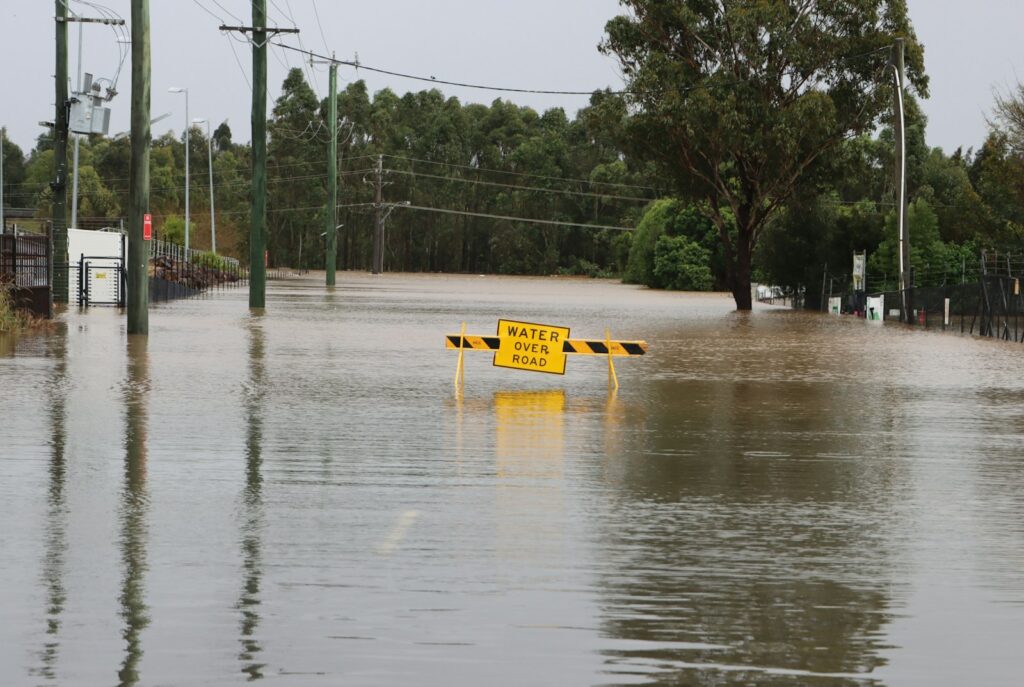
2. Floods and storm water
Floodwater rises and sits. A safe on the floor of the lowest room is the first thing to go under, and floodwater often carries mud, sewage and chemicals. In-floor safes are particularly exposed in flood-prone areas, which is worth weighing up when you read about the pros and cons of floor safes.
3. Everyday humidity and condensation
This one surprises people. Many fire safes use insulation that contains moisture. The Nordtest NT Fire 017 method, for example, notes that concrete and similar insulation materials used in fire-resistant cabinets are likely to contain free water. In a fire, that moisture helps keep the interior cool. Day to day, it can make the inside of a closed safe noticeably humid.
Signs of a damp safe include a musty smell, curling or spotted paper, tarnished silver and jewellery, and rust on metal items. Data media and photographs are especially sensitive, which is why data-rated classes limit humidity as well as temperature. See our guide to data safes with humidity limits for more.
How to Make a Waterproof Fire Safe Setup
You may not be able to buy a fully waterproof fire safe for every situation, but you can build protection in layers.
- Use sealed pouches inside the safe. Waterproof document pouches or zip-lock bags keep out water that gets past the door. Ordinary plastic bags may soften if the inside of a paper-rated safe gets very hot in a fire, so for the most important papers look for pouches sold as both fire- and water-resistant.
- Keep the most important papers off the floor of the safe. Put them on the top shelf so they are the last thing water reaches.
- Do not drill your own holes. Fix the safe using the manufacturer’s bolt-down points and fittings so you do not create a new path for water or heat.
- Keep digital copies off site. Scans in a secure cloud account cannot be flooded.
Controlling moisture day to day
- Add a desiccant. Silica gel sachets or a rechargeable desiccant canister absorb moisture. Replace or recharge them on a schedule.
- Open the safe regularly. Letting it air for a few minutes now and then helps, especially in humid months.
- Never put damp items inside. Damp paperwork from a rainy day ends up in the safe more often than you would think.
- Avoid damp rooms. Laundries, bathrooms and spots against a cold external wall raise humidity inside the safe.
- Store photos and certificates in archival sleeves to protect them from both moisture and handling.
Placement: Balancing Fire and Flood Risk
Placement advice for fire and flood can pull in opposite directions. For fire, we usually suggest a ground floor on a concrete slab, so the safe cannot fall through a burning floor. For flood, higher is better.
The answer depends on your property:
- Low flood risk: follow fire advice and install on the ground floor, bolted to the slab.
- Known flood risk: avoid basements, sunken rooms and the lowest point of the house. If an upper floor is structurally suitable for the weight, it may be the better compromise.
- Bushfire and flood risk: keep your most important documents ready to take with you, as covered in our article on protecting documents and valuables in bushfire season.
Our article on the top places to install a home safe covers security and placement in more depth. If your safe is in the wrong spot, our team can relocate your safe to a better position, including up or down stairs. You can also compare models in our fire-resistant safe collection.
What to Do After a Flood or Firefighting Water
- Put safety first. Only return when authorities say it is safe, and be careful around electrics.
- Open the safe as soon as you safely can and remove the contents. After a fire, let the safe cool completely before opening.
- Dry papers carefully. Separate pages and air-dry them flat, out of direct sun. Photograph documents before handling them if they are fragile.
- Do not force a jammed door. Water and silt can affect bolts, and electronic locks may fail after being submerged. Our safe repair and opening service can help without damaging the contents.
- Have the safe assessed. Corrosion, soaked insulation or a warped door can reduce future protection. Our article on signs a fire safe needs replacing explains when to replace rather than repair.
Frequently Asked Questions
Are fire-resistant safes waterproof?
Generally not. Fire ratings measure heat protection, not water resistance, so water from a flood or fire hoses can get in around the door. Some safes are sold with a separate water-resistance claim; check the stated depth, duration and test before relying on it. Sealed pouches inside the safe add a useful extra layer of protection.
Why is the inside of my fire safe damp?
Many fire safes use insulation that contains moisture, which helps cool the interior in a fire but can raise humidity day to day. Placing the safe in a damp room makes it worse. Use silica gel or a rechargeable desiccant, open the safe regularly to air it, and never put damp items inside.
Should I put documents in plastic bags inside a fire safe?
Sealed pouches help keep water out if the safe is flooded or hosed. Ordinary plastic bags may soften at the temperatures a paper-rated safe can reach during a fire, so for vital documents choose pouches sold as fire- and water-resistant. Keep scanned copies off site as well, so you are not relying on any single container.
Can a flooded safe be repaired?
Sometimes. Bolts, hinges and locks can often be serviced, and electronic locks can be replaced. If the insulation is soaked, the body is badly corroded or the door no longer seals properly, the fire rating can no longer be relied on and replacement is usually the better choice. Have it inspected before you trust it again.
Get Help With Fire and Water Protection
If you are weighing up fire and flood risk, we can help you choose a safe and the right place for it. Visit our Tullamarine showroom at 38 Barrie Rd, call 0409 860 011 (Monday to Friday, 9am to 5pm), or send us a message about your property.