On this page
- Why bolting down matters
- What each state says about fixing a gun safe
- Concrete and masonry: the best base
- Timber floors and stud walls
- Choosing the spot before you drill
- How to bolt down a gun safe, step by step
- When to use a professional installer
- Frequently Asked Questions
- Get your gun safe installed properly
To bolt down a gun safe properly, fix it from the inside, through its pre-drilled holes, into the structure of the building: masonry anchors into a concrete slab or brick wall, or coach screws into solid timber framing where your state allows it. Use every fixing point, keep the safe flush against the floor and wall, and check your state’s rules first, because several set the number and type of fixings.
This guide covers how to bolt down a gun safe in practical terms. It is general guidance, not engineering advice. Every building is different, and if you have any doubt about the floor, wall or what runs through them, use a qualified installer. For the full legal picture by state, see our overview of Australian gun safe laws.
Why bolting down matters
Most gun safes and almost all pistol safes are light enough for two people to carry out of a house. Once a safe is in a vehicle, a thief has unlimited time to attack it. Fixing it to the building removes that option and forces any attack to happen on site, where it is slower, noisier and more likely to be interrupted.
It is also the law in most cases. Every state we reviewed requires firearm safes to be fixed to the building in at least some circumstances, and police can inspect your storage as a condition of your licence. Our earlier article on whether a safe needs to be bolted down covers the general case for other safes.
What each state says about fixing a gun safe
This table summarises the fixing rules we confirmed in October 2026. Your licence may carry extra conditions and rules change, so confirm with your firearms registry before you drill.
| State | When fixing is required | What the rules or guidance specify |
|---|---|---|
| Victoria | Safe weighs less than 150 kg empty | Bolted to the structure of the premises |
| NSW (Categories C, D, H) | Always | Bolted to the structure through the base or back using internally fitted bolts or screws, with fixings not visible or accessible from outside |
| Queensland | Categories A, B, C: under 150 kg. Categories D, H, R: always | Fixed or bolted to the frame or floor of a permanent building |
| Western Australia | Compliant containers under 500 kg | Anchored to a permanent wall or floor of masonry, concrete, steel or similar, using at least 4 anchors across at least 2 faces, or approved chemical bonding methods |
| South Australia | Safe weighs less than 150 kg empty | At least 2 solid anchor bolts into a solid floor, wall or other permanent internal structure |
| Tasmania | Receptacle weighs less than 150 kg | Internal masonry bolts or coach screws, at least twice to a wall and twice to the floor, or 4 times to a wall or the floor |
Our state articles go into more depth: Victoria’s fixing and steel rules, NSW Category C, D and H storage rules, Queensland weapons storage requirements, WA storage levels under the 2024 Act and South Australian safe levels.
NSW Police guidance (the October 2022 version of the Safe Storage Level Two fact sheet) is more specific again. For brick, stone or concrete it describes at least four masonry anchors 90 mm long and 10 mm in diameter, and for wall studs or floor joists at least four galvanised hexagon head coach screws of at least 65 mm by 8 mm. WA’s anchoring standard sits in Schedule 4 of the Firearms Regulations 2024 (see WA Police information on the firearms reforms) and only counts masonry, concrete, steel or similar as a permanent wall or floor.
Concrete and masonry: the best base
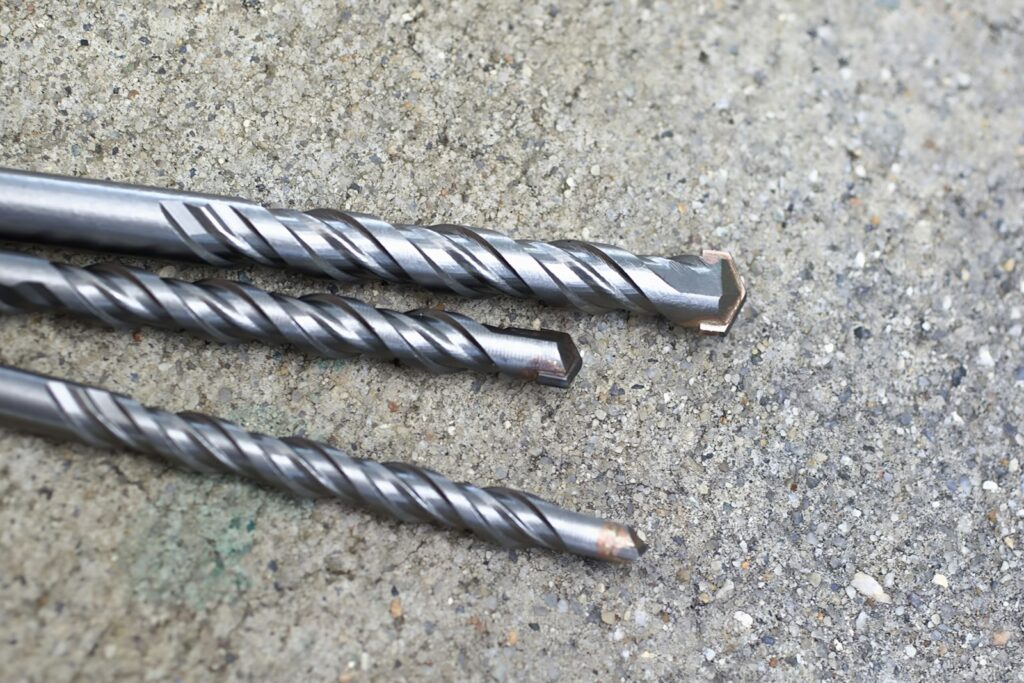
A concrete slab is the strongest and simplest surface to fix into. Heavy-duty masonry anchors, either mechanical expansion anchors or chemical (injected resin) anchors, give a fixing that is very hard to pull out. Solid brick or block walls are also good, though hollow blocks need anchors designed for them.
Some practical points from our installs:
- Check the slab is solid concrete, not a thin topping over another material, and keep anchors well back from slab edges.
- Scan for pipes, conduits and in-slab heating before drilling. If the slab is post-tensioned, do not drill until a structural engineer has confirmed it is safe.
- Follow the anchor manufacturer’s drill size, hole depth and tightening instructions. Over-tightening an expansion anchor can crack the concrete.
- Vacuum dust from the holes before setting the anchors, especially chemical anchors.
Timber floors and stud walls
On a suspended timber floor, the fixings must go into the structure, not just the floorboards or sheet flooring. That means locating joists and wall studs and driving coach screws into solid timber. Plasterboard, chipboard and particleboard on their own will not hold a safe.
Where the safe’s holes do not line up with the framing, a common approach is to fix a steel or hardwood mounting plate across the joists and bolt the safe to it. This is where professional advice pays off. Also note that WA’s standard for compliant containers refers to permanent walls and floors of masonry, concrete, steel or similar, so timber fixing may not satisfy WA’s rules.
Floor and wall together
Tall rifle safes benefit from fixings into both the floor and the back wall, which resists both lifting and levering. Tasmania’s rules specifically allow two fixings to the wall and two to the floor, and WA’s anchoring rules require anchors on at least two faces of the container.
Choosing the spot before you drill
Position affects both security and compliance. Look for:
- A location out of sight of windows and visitors. Queensland Police advise against places where the safe can be readily located, such as an unlocked garage or shed.
- A corner, ideally with the lock side close to the wall, which NSW Police guidance says makes the safe harder to cut or lever open.
- A flat, level floor so the safe sits flush and the door closes properly.
- Room for the door to open fully, plus space to reach and use the lock comfortably.
Our guide to the best places to install a safe at home has more ideas on concealment and access.
How to bolt down a gun safe, step by step
- Confirm your state’s rules and the safe’s empty weight. Read the manufacturer’s installation instructions.
- Choose the location and check for pipes, cables and in-floor services.
- Position the safe and mark the floor or wall through its existing pre-drilled holes. Most gun safes have holes in the base, the back or both.
- Move the safe aside, drill to the anchor manufacturer’s specification and clean out the holes.
- Reposition the safe and install every fixing from the inside, using washers or reinforcing plates where specified.
- Tighten to the specified torque, then check the safe does not rock and the door opens, closes and locks freely.
Do not drill extra holes through the safe body without talking to the supplier first. New holes can weaken the safe, so ask us first.
When to use a professional installer
A small pistol safe on a concrete slab is a manageable job for a handy owner. Call a professional when the safe is heavy, it needs to go upstairs, the floor is timber or of unknown construction, or you live in an apartment or rental where drilling needs approval. Our gun safe installation team fixes safes in Melbourne and works through a national network, and our guide to safe services explains what installation and relocation involve. You can see safes with different fixing patterns in our gun safes for sale.
Frequently Asked Questions
Can I bolt a gun safe to a timber floor?
In several states, yes, provided the fixings go into the structure, such as floor joists or wall studs, and not just the floorboards. NSW Police guidance describes coach screws into studs or joists. WA is different: its standard for compliant containers refers to permanent walls and floors of masonry, concrete, steel or similar. Check your state’s wording before fixing into timber.
How many bolts does a gun safe need?
It varies by state. South Australia’s guidance specifies at least two solid anchor bolts, Tasmania requires two to a wall and two to the floor or four to one surface, NSW Police guidance describes at least four fixings for Category C, D and H safes, and WA requires at least four anchors across two faces. Using every pre-drilled hole is good practice.
Does a gun safe over 150 kg need to be bolted down?
In Victoria, South Australia and Tasmania, the fixing requirement applies to safes under 150 kg empty. In NSW, Category C, D and H safes must be bolted down regardless of weight, as must Queensland Category D, H and R containers. WA’s threshold for compliant containers is 500 kg. Many owners bolt down heavier safes anyway.
Can I bolt a gun safe to a plasterboard wall?
Not to the plasterboard alone. Plasterboard has almost no holding strength, so the fixings need to go into solid structure behind it, such as timber or steel studs or a masonry wall. If the safe’s holes do not line up with the framing, a mounting plate across the studs or a professional installation is the safer option.
Get your gun safe installed properly
If you would rather have it done once and done right, we can deliver and bolt down your gun safe. Visit our showroom at 38 Barrie Rd, Tullamarine, to see over 350 new and used safes, call 0409 860 011 (Monday to Friday, 9am to 5pm), or book an installation quote online.