On this page
When deciding what to keep in a home safe, focus on things that are valuable, hard to replace or risky in the wrong hands. That means passports, birth and marriage certificates, property and financial papers, a copy of your will, backup drives, emergency cash, jewellery and spare keys. Firearms need their own compliant gun safe, and original wills are often best held by a solicitor or trustee service, with a copy at home.
Below is the checklist we give customers who ask what to keep in a home safe, followed by what to leave out. If you have not chosen a safe yet, our home safe buying advice explains how to match the safe to what goes inside it.
What to keep in a home safe: the checklist
Identity documents
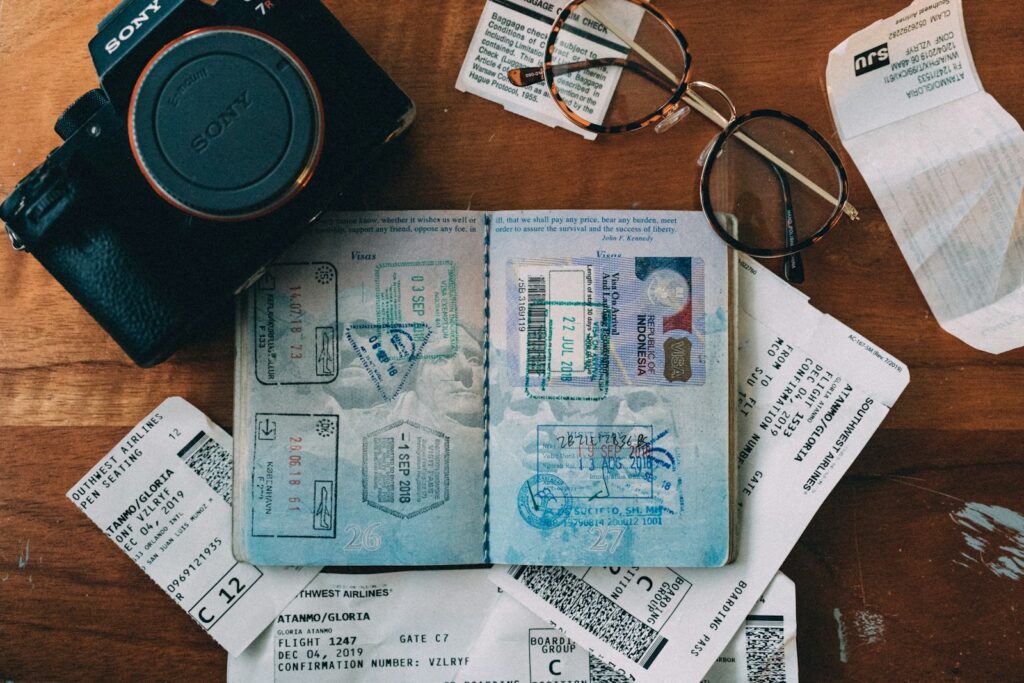
- Passports, current and recently expired
- Birth, marriage, divorce and change of name certificates
- Citizenship certificates and visa documents
- Adoption papers, where relevant
These are slow and sometimes costly to replace, and identity documents are attractive to identity thieves. Keep them together in a document wallet so you can grab them quickly.
Property and financial papers
- Contracts of sale, any paper title documents and mortgage papers
- Vehicle and boat ownership papers
- Insurance policy schedules and valuations
- Share certificates, investment statements and superannuation details
- Recent tax records you are keeping
Estate and family documents
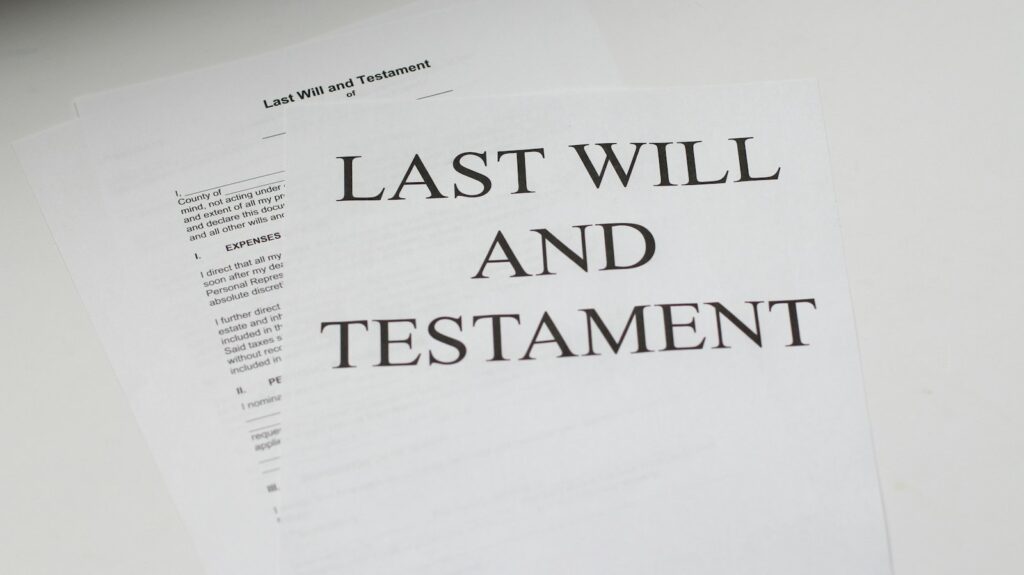
- A copy of your will, with a note of where the original is held
- Enduring powers of attorney and medical treatment decision documents
- Funeral plans and prepaid funeral paperwork
- A list of accounts, policies and key contacts for your executor
Original wills are often held by the solicitor who prepared them or by a trustee service. In Victoria, State Trustees runs the Victorian Will and Powers of Attorney Registry, which stores originals for Victorian residents free of charge and can also record where you keep your will yourself. Other states have their own trustee services, so check what is available where you live. Our article on where to keep wills, passports and property papers covers the pros and cons of each option.
Digital and data
- External hard drives and USB sticks holding family photos and records
- Recovery codes for important online accounts
- Hardware wallets and written recovery phrases for any cryptocurrency
Hard drives and USBs are more sensitive to heat than paper, so a standard fire safe may not protect them in a fire. Keep a second copy off-site or in the cloud.
Cash
Emergency cash is useful during power outages or when card systems are down. Keep the amount within your safe’s approximate cash rating, and check your insurer’s limit for cash kept at home.
Jewellery, watches and heirlooms
Rings, watches, coins, medals and family pieces belong in a safe with a suitable rating and a lined or drawer interior. Our guide on picking a jewellery safe for your home covers ratings, drawers and watch winders.
Spare keys and small valuables
- Spare car keys and house keys
- Keys to filing cabinets, padlocks and outbuildings
- Small electronics such as cameras, tablets and a spare phone
Firearms and ammunition need a separate safe
Firearms should not go in a general home safe. Every Australian state and territory sets storage rules for licensed firearms, including the construction of the receptacle, anchoring and separate storage for ammunition, and these rules differ between states. A household safe that holds your documents and jewellery is not designed to meet them.
If you own firearms, buy a gun safe that meets your state’s requirements and keep it separate from your other valuables. Our state-by-state guide to firearm storage rules is a good place to start, and you should always confirm the current requirements with your state’s firearms licensing authority.
What not to keep in a home safe
- The only copy of something your family needs quickly. If your executor cannot open the safe, the documents inside are stuck. Make sure someone you trust knows how to get access.
- The safe’s own key or code. It sounds obvious, but spare keys and code cards end up inside safes more often than you might think. Store them separately and securely.
- Items worth more than the safe is rated for. Move high-value pieces to a higher-rated safe or a vault, and tell your insurer.
- Things you need every day. Medication, everyday keys and items you use daily belong somewhere convenient. A safe opened constantly tends to be left open.
- Anything damp. Moisture trapped in a closed safe can damage paper and metal. Make sure items are dry before they go in.
- Firearms mixed with household valuables, as explained above.
Fire-resistant, burglary-rated or both?
Look at your checklist. If it is mostly paper, fire protection matters as much as burglary protection. If it is mostly jewellery and cash, the cash rating comes first. Most households have a mix, so a safe that combines a cash rating with fire resistance is usually the practical choice. Browse our fire-resistant safes for home and office to compare fire ratings, which range from 30 minutes to 120 minutes in our range.
Fire ratings have limits, and the test conditions matter. Our article on whether fireproof safes are really fireproof explains what a rating does and does not promise.
Make sure someone can get in
A safe nobody can open is a problem for families and executors. Record the code or key location somewhere secure and separate from the safe, and tell a trusted person how to find it. If you change the code, update the record.
If a safe will not open, or you have inherited one without the code, do not try to force it, as that can damage the contents and the safe. Our technicians provide safe repairs and lock-out openings and can advise on the best approach.
Keep an inventory
An inventory makes insurance claims and estate administration far easier. Photograph valuable items, note serial numbers, keep receipts and valuations, and store a copy of the list outside the safe, for example with a trusted family member or in secure cloud storage. Review it once a year.
How big does the safe need to be?
Once you have your list, measure it. A family’s passports, certificates in a document wallet, a laptop and jewellery usually need more space than people expect. Our safe sizing guide with real litre capacities shows how to work it out.
Laws and services such as will registries and firearm storage requirements change, so check current details with the relevant authority.
Frequently Asked Questions
What should I keep in a home safe?
Keep items that are valuable, hard to replace or risky if stolen: passports, birth and marriage certificates, property and financial papers, a copy of your will, insurance details, backup drives, emergency cash, jewellery, watches and spare keys. Choose a safe with both a cash rating and fire resistance if you are storing a mix of documents and valuables.
Should I keep my original will in a home safe?
You can, if it is a fire-resistant safe and your executor knows where it is and how to open it. Many people leave the original with their solicitor or a trustee service and keep a copy at home. In Victoria, State Trustees offers free storage of original wills for Victorian residents through its will registry.
Can I keep a gun in my home safe?
Not in a general household safe. Each Australian state and territory has its own storage requirements for licensed firearms, covering the receptacle, anchoring and ammunition storage. Use a gun safe that meets your state’s rules, keep it separate from household valuables, and confirm current requirements with your state’s firearms licensing authority.
Do fire safes protect USB drives and hard drives?
Not always. Digital media is more sensitive to heat than paper, so a safe rated to protect documents may not keep a hard drive or USB stick intact in a fire. Look for a safe rated for data or media if that matters, and always keep a second copy of important files off-site or in the cloud.
Get Help Choosing the Right Home Safe
Bring your checklist to our showroom at 38 Barrie Rd, Tullamarine, where over 350 new and used safes are on display, and we will help you match a safe to what you need to store. Call 0409 860 011 (Monday to Friday, 9am to 5pm) or contact Precision Safes online.