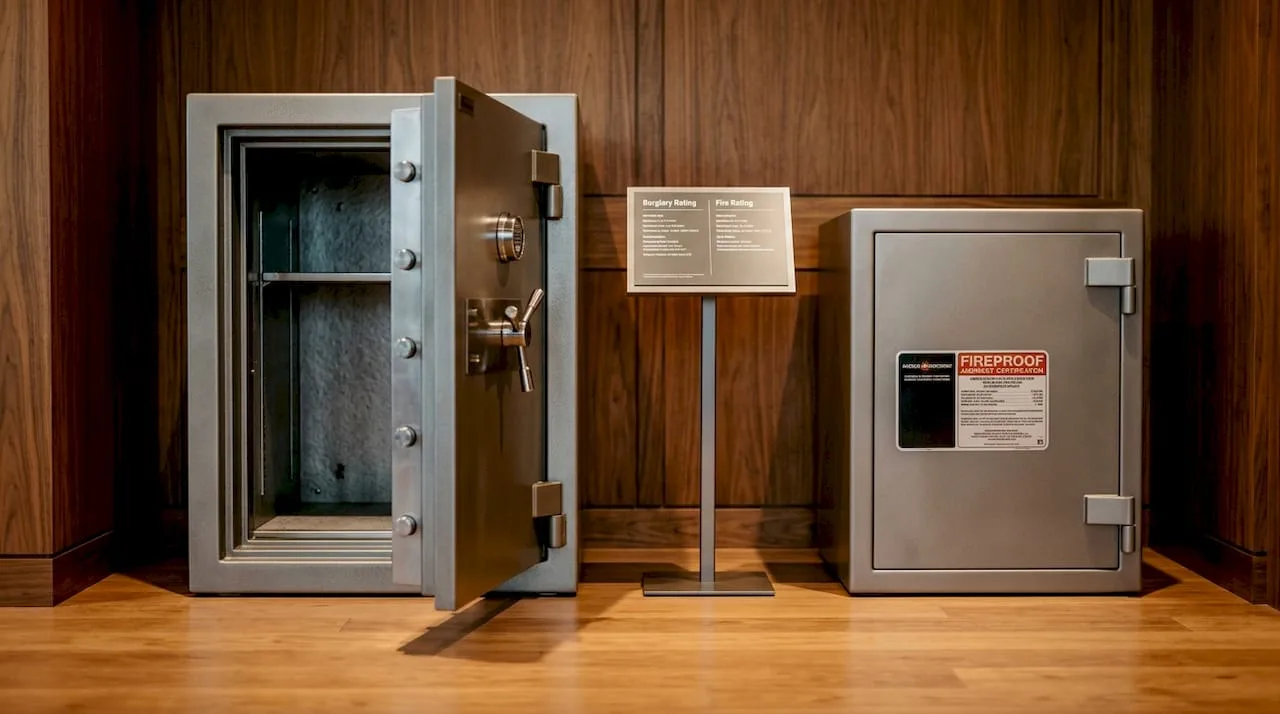


A home safe is one of those purchases where the price tags can seem all over the place, and it is fair to wonder why one unit costs a couple of hundred dollars while another runs into the thousands. A safe’s price reflects how much protection it delivers, so the figure on the label tells you a great deal about what is going on inside the steel. Understanding what sits behind those numbers makes it far easier to match your budget to the level of security you actually need. This guide breaks down what home safes cost in Australia, how prices shift across different types, and what your money buys at each tier.
What You Can Expect to Pay
At Precision Safes, home safes generally range from around $250 at the entry level up to roughly $6,000 for the most heavily built residential models. Where a particular safe lands within that span comes down to its construction, security features, lock type, storage capacity, and brand, so two safes of similar size can carry very different prices once you account for what each one is engineered to withstand.
It helps to think of the spend as an investment matched to the value of what you are protecting. A safe holding a few important documents and some spare cash sits at a very different point to one guarding jewellery, watches or a firearm collection worth many thousands. Rather than fixing on a single number, it is worth setting a budget that reflects both the value and the nature of your contents, then choosing a unit that meets that need without paying for protection you will never use.
Price Ranges by Type of Safe
The clearest way to make sense of pricing is to look at the main categories of home safes, since each type is built for a particular job and priced accordingly. The four groups below cover most of what Australian households buy.
Compact Safes for Everyday Valuables
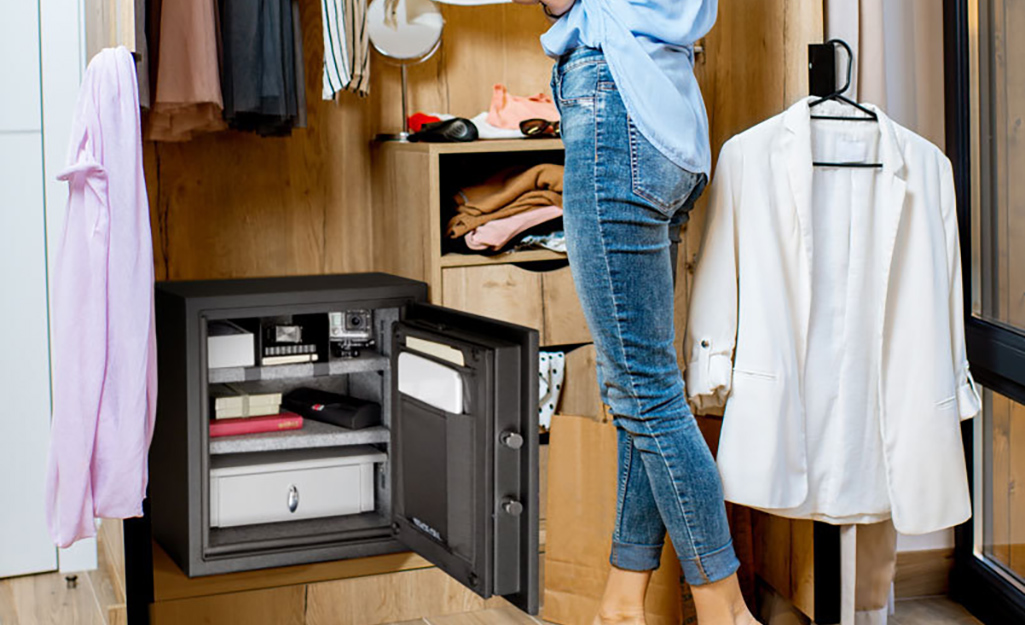
Compact safes sit at the more affordable end and suit everyday items such as cash, jewellery, passports and small keepsakes. These units are light enough to tuck into a wardrobe, cabinet or drawer, and while they offer a solid deterrent against opportunistic theft, they carry more modest security ratings. For many households wanting straightforward peace of mind, a small home safe in this bracket covers the essentials without stretching the budget.
Larger Free-Standing Safes for Households
Stepping up in size, free-standing safes offer considerably more room for households with more to store, along with heavier steel and stronger locking. The extra material and capacity naturally lift the price, though they bring a meaningful jump in both security and practicality. These models suit families who want a single secure home for documents, valuables and a bit of everything in between, and they remain manageable enough to sit in a cupboard or against a wall.
Fire-Rated Safes for Documents
Fire-rated safes are built to keep their contents safe from heat, which makes them the sensible pick for irreplaceable paperwork, title deeds, photos and digital media. The fire-resistant composite built into the walls adds cost, and the price tends to climb with the length of protection, which commonly ranges from thirty minutes up to two hours. It is worth remembering that a fire rating and a theft rating are separate things, so households wanting both will look towards a fire-rated safe that combines the two.
High-Security Safes for Higher-Value Contents
At the upper end, high-security safes are engineered to resist sustained, determined attack and to protect higher-value contents. These units use thicker steel, concrete fill, re-lockers and hardened plates, all of which support the higher cash ratings that insurers recognise. The engineering that goes into resisting drills, grinders and other tools places these safes at the premium end of the range, and they suit anyone storing significant cash, luxury items or a valuable collection at home.
What Drives the Price
Look across those categories and the same handful of factors keep shaping the final figure. The first is the cash rating, which reflects how much an insurer will cover for valuables kept inside and can span from a few thousand dollars to several hundred thousand on the most secure units, since a higher rating calls for more robust construction. Fire duration works the same way, as a safe rated for two hours of protection costs more than one rated for thirty minutes.
Lock type also plays a part: traditional key locks are generally the most economical, while mechanical combination, digital and biometric locks add both convenience and cost. Brand and build quality round out the picture, since established manufacturers such as CMI, Chubb, Stronghold and Platinum back their safes with tested ratings and lasting construction. That difference between a bargain strongbox and a properly built unit is a real one, explored further in Precision Safes’ comparison of cheaper safes and quality safes, and it is closely tied to the cash rating and insurance cover a safe carries.
A More Affordable Route with a Used Safe
If your budget is tighter than the safe you have your eye on, a quality second-hand unit can be a smart way to secure more protection for less. A well-maintained used safe often carries the same cash and fire ratings as a new equivalent while costing noticeably less, which puts heavier and higher-rated models within reach of more households. The key is to buy from a supplier who checks and services each unit before resale, so you gain the savings without any question mark over condition or reliability.
Adding Installation to Your Total Cost
One cost that is easy to overlook when comparing prices is professional installation, which is a genuine part of the total rather than an optional extra. Most insurers expect a home safe to be properly fixed in place before they will cover the contents, and correct anchoring is what stops a thief from simply carrying the unit away. Budgeting for professional safe installation from the outset means the safe performs as intended and your cover holds, so it pays to factor this in alongside the purchase price rather than treating it as an afterthought.
Choosing the Right Home Safe
The right safe is the one that matches the value of your contents to a sensible level of protection, without paying for security you do not need or skimping where it counts. Weighing up the type, cash rating, fire duration and lock against your budget turns a confusing spread of prices into a clear decision.
If you would like a hand narrowing down the options or a quote that includes fitting, speak with the Precision Safes team, and we will help you find a safe that suits both your valuables and your budget.