

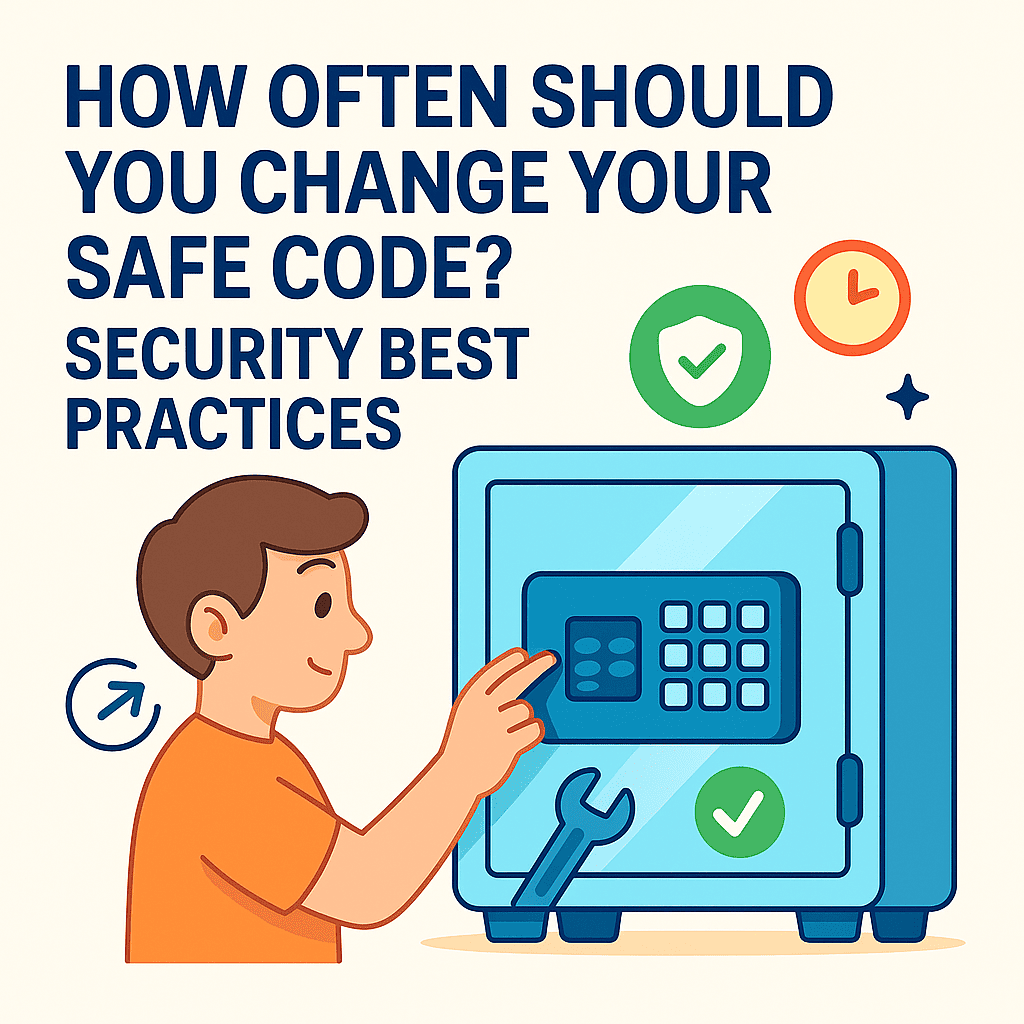
How Often Should You Change Your Digital Safe Code? Security Best Practices
When was the last time you updated your safe code? Many Australians invest in high-quality home safes or office safes to protect their valuables, but often forget about one of the simplest yet most crucial security steps: changing the safe code regularly. Knowing how often to change your safe code can make a huge difference in keeping your belongings secure and preventing unauthorised access.
In this article, we’ll look at why safe code changes are essential, how often you should reset them, and the best practices for safe code security whether you’re using a digital safe at home or a high-security safe for your business.
Why Changing Your Safe Code Matters
Your safe’s lock code is like the PIN for your bank account, it’s the first line of defence. According to the Australian Bureau of Statistics (ABS), an estimated 185,300 Australian households (1.8%) experienced a break-in during the 2022–23 period. Break-ins remain one of the most common household crimes, making secure storage solutions like home safes and security safes an essential layer of protection.
Here are a few reasons to reset your safe code:
- Prevent unauthorised access: If too many people know your code, your valuables are at risk.
- Respond to staff or tenant changes: In workplaces, former employees might still remember old codes.
- Protect against wear and tear: Frequent use can leave wear marks on certain digits, making it easier for someone to guess the code.
- Stay ahead of cyber risks: For advanced electronic safes, changing the code helps prevent digital tampering.
How Often Should You Change Your Safe Code?
So, what’s the recommended frequency? While there’s no universal rule, most security experts recommend:
- Every 6-12 months for personal safes used at home.
- Every 3-6 months for business safes or safes in shared environments.
- Immediately if:
- You suspect someone has seen or guessed your code.
- An employee leaves your company.
- There has been a break-in attempt.
Think of it as part of your regular security maintenance, just like servicing your locks or updating passwords online.
Best Practices for Safe Code Security
1. Choose Strong, Unique Codes
Avoid simple combinations like birthdays, 1234, or repeated numbers. Instead, use longer, less predictable sequences. Many digital safes allow 6+ digits, giving you extra protection.
2. Limit Who Knows the Code
The fewer people who know your safe code, the better. For businesses, consider assigning unique user codes available on advanced security safes, so access can be tracked.
3. Watch for Warning Signs
If your safe shows signs of tampering, unusual keypad behaviour, or inconsistent locking, it may be time for a safe service or upgrade.
4. Combine with Physical Security
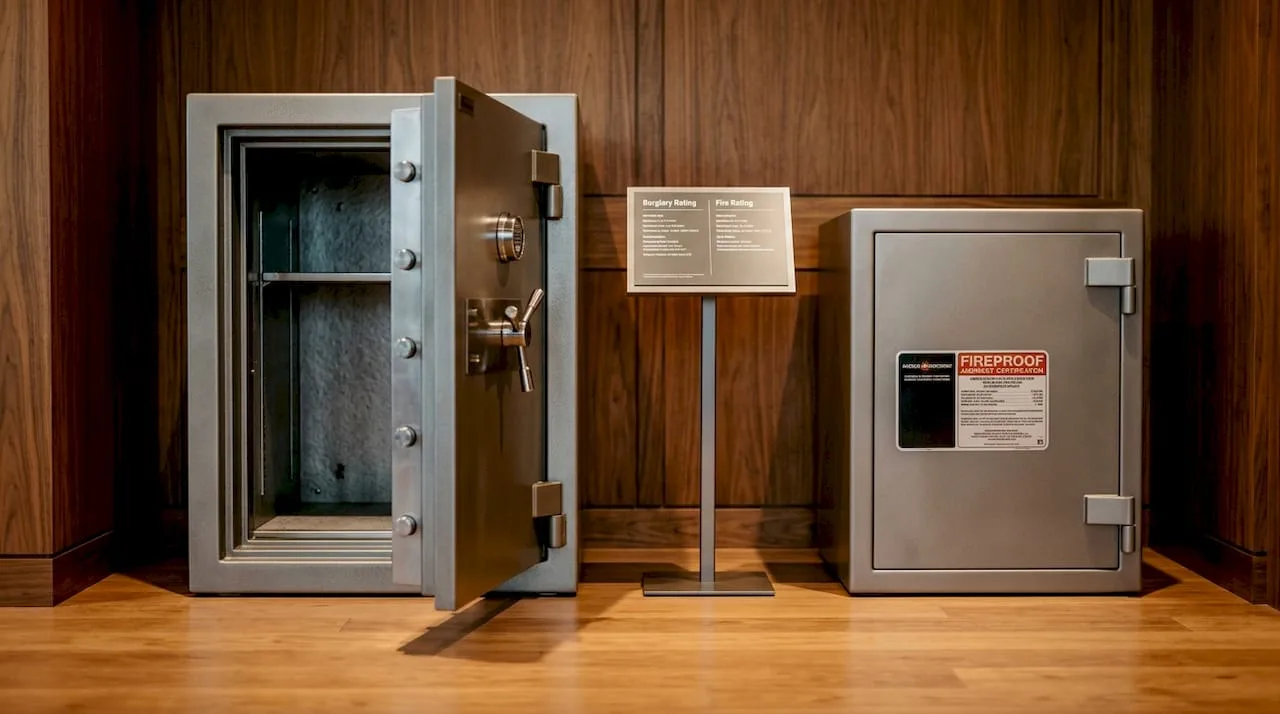
Even the best safe code won’t help if the safe itself isn’t built for strength. Look for fireproof safes and models with advanced locking systems to ensure comprehensive protection.
Common Mistakes to Avoid
When it comes to safe security, even small habits can weaken protection. Here are some of the most common mistakes people make:
- Not changing the code regularly
Many safe owners stick with the same code for years because it feels inconvenient to update. This predictability makes it easier for someone to guess or discover the code. - Writing the code down in obvious places
Leaving the code on a sticky note near the safe, inside a desk drawer, or on your phone without security completely defeats the purpose. If you’re worried about forgetting, use a secure password manager instead of leaving written reminders. - Reusing the same code across multiple devices
Using one code for your safe, locker, and even online accounts means that if one is compromised, they all are. Each safe should have a unique code, just like a strong password. - Sharing the code with too many people
The more people who know your code, the higher the risk of misuse or accidental disclosure. Limit access to only those who absolutely need it.
By avoiding these mistakes and adopting a regular schedule of safe code changes, you’ll significantly improve your protection against theft, unauthorised access, and accidental lockouts.
Safe Code Changes for Different Types of Safes
- Home Safes: Change the code at least once a year, especially if multiple family members use it.
- Office Safes: Update every 3–6 months, particularly if staff turnover is high.
- High-Security Safes: Regular changes are critical, as these often protect high-value assets.
- Fireproof Safes: While designed for heat resistance, they also benefit from regular code resets for theft protection.
If you’re unsure how to reset, check your safe’s manual or speak to a trusted provider like Precision Safes, who offer a wide range of secure, easy-to-use safes for Australian homes and businesses.
Smart Habits for Stronger Protection
Changing your safe code regularly is a small step that makes a big difference in protecting valuables at home or work. Whether you’re using a home safe, an office safe, or a high-security safe, staying proactive with code updates reduces risks and ensures your assets remain protected.
Ready to upgrade your security? Find the perfect safe for your needs and enjoy peace of mind knowing your valuables are protected with Precision Safes