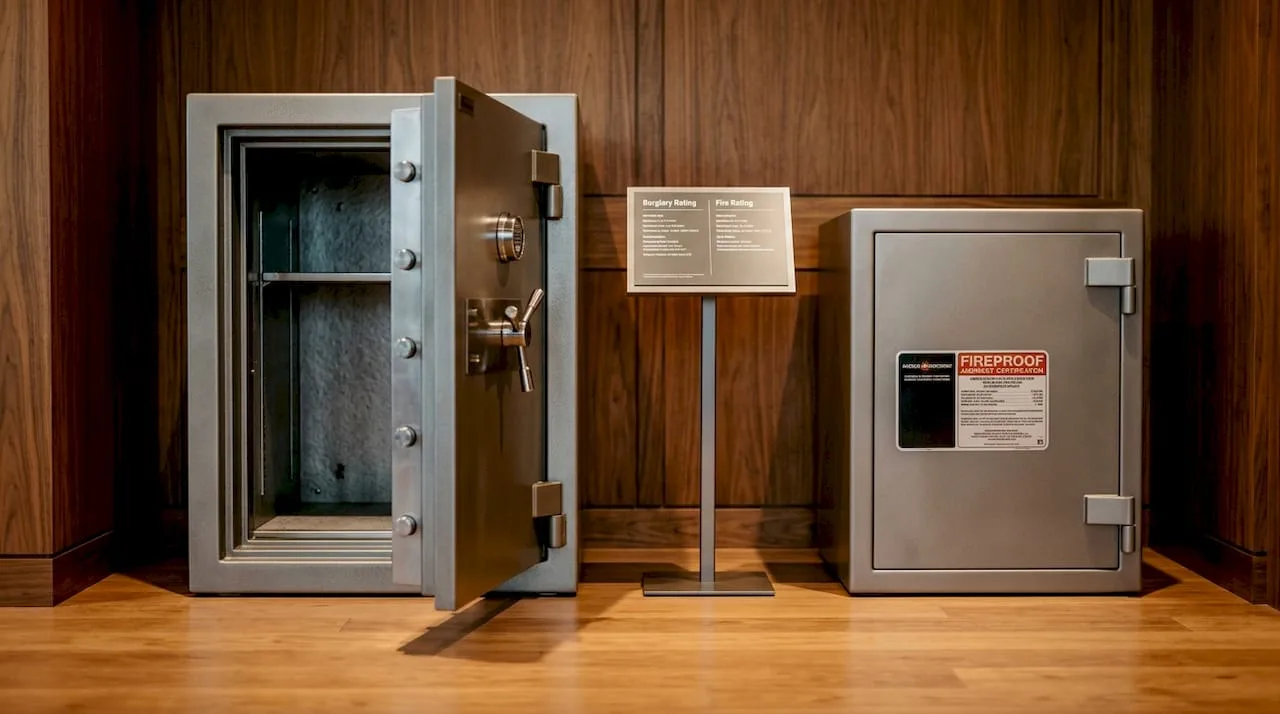


A house move runs on dates, and relocating a safe doesn’t fit neatly into the usual removalist schedule. It’s heavy, it’s bolted to the structure, and it holds the things you least want sitting in the back of a van for a day. Moving one well is less about muscle and more about timing it around your settlement so the safe comes out of the old place cleanly and is ready to use at the new one. Get the timeline right and it’s a smooth, almost invisible part of the move. Leave it to the last minute and it becomes the one thing holding everything else up.
Why a Safe Needs Its Own Moving Timeline
A safe isn’t just another heavy item on the inventory. It needs its own plan because the things that make it secure are exactly the things that make it awkward to move.
Weight and anchoring make safes a specialist job
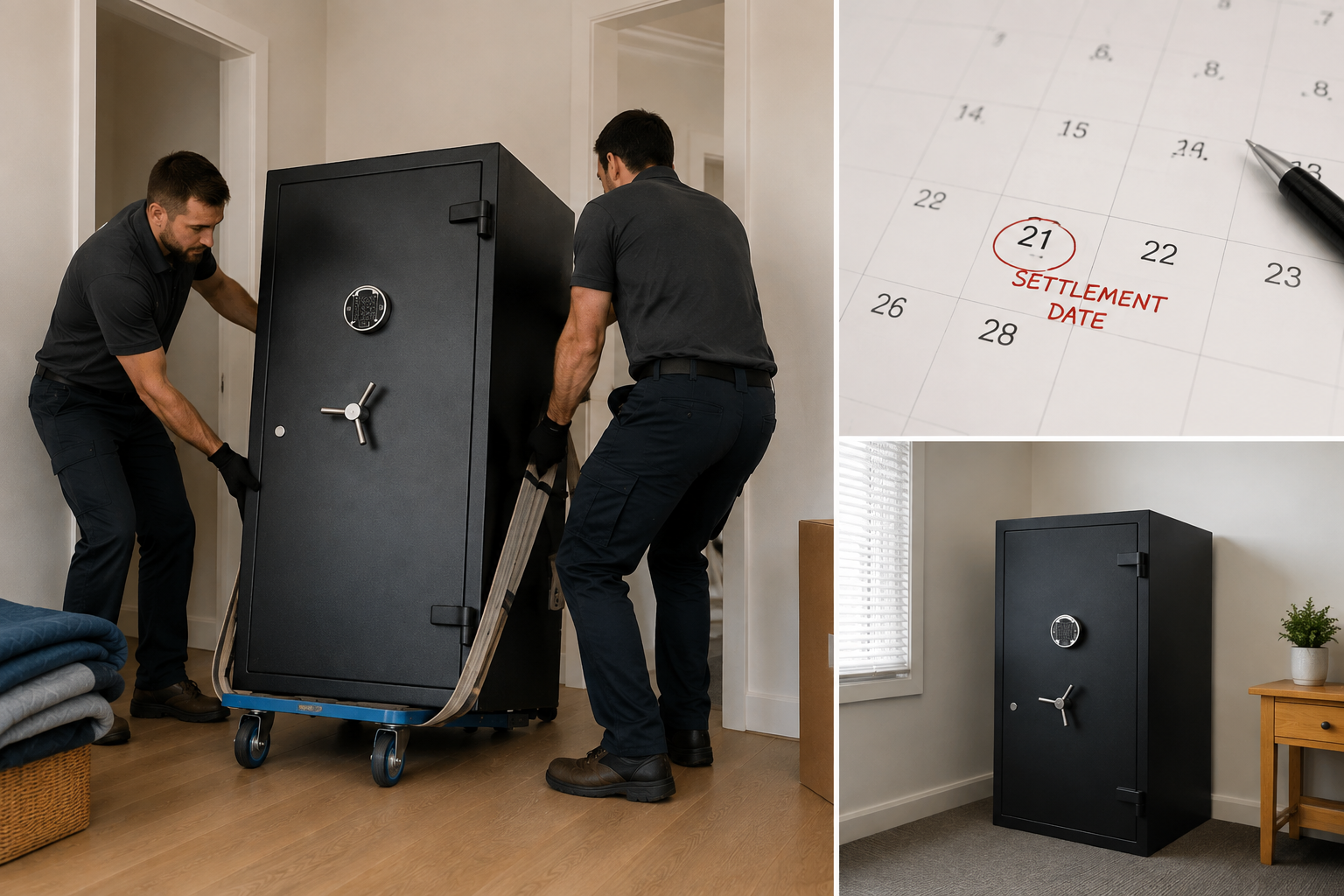
A standard removalist isn’t equipped to release a bolted-down safe or shift one safely. The weight alone puts floors, doorways, and backs at risk, and the anchoring has to be undone correctly rather than forced. Treating a safe like a wardrobe is how people end up with damaged flooring or a dropped unit. A professional safe removal service handles the lifting gear and the anchoring as a single specialist task, which is why it sits outside the general removal booking.
The settlement-date window you’re working within
The settlement date sets hard boundaries on either end of the move. The safe has to be out of the old property before you hand over the keys, and ideally re-anchored at the new one before you need access to what’s inside it. That’s a narrow window with little room to improvise, so the whole point of a timeline is to make sure both ends are booked and confirmed well ahead of the day everything else is happening.
Planning the Move Around Your Settlement Date
Once you know your settlement date, the safe’s movements can be slotted in around it. Working backwards from that date keeps everything in order.
When the safe needs to leave the old property
The safe should be removed before final handover, not on settlement day itself when the house is already chaotic. Booking removal a few days ahead gives breathing room if anything runs late, and means the safe isn’t the reason you’re held up at the old property. If you’ve recently renovated before selling, it’s worth remembering that building work can compromise a safe’s anchoring, which makes professional removal even more important.
When it needs to be ready at the new property
At the other end, the safe needs to be re-anchored and ready before you need to store anything valuable in it. For most people that’s within the first day or two of taking possession, since cash, documents, and jewellery shouldn’t sit unsecured in a new home. Booking the reinstallation close to your possession date keeps that gap as short as possible.
How much lead time to allow for booking
Specialist relocations book out, particularly around busy moving periods at the end of the month. Allowing a couple of weeks of lead time is sensible, both to secure your preferred dates and to leave room for an on-site assessment of the new property beforehand. The earlier the booking, the more control you have over timing, and over what the move will cost.
Handling Your Safe’s Contents During the Move
The safe and its contents are best treated as two separate things during a move. Moving them together is rarely a good idea.
Empty the safe before moving day
A safe should always be emptied before it’s moved. A loaded safe is heavier and harder to handle, and contents can shift or be damaged as the unit is tilted and transported. Emptying it also means your valuables stay with you rather than travelling inside a unit that’s being carried, loaded, and driven across town.
Keeping valuables, documents and firearms secure in transit
Carry the important things yourself. Cash, jewellery, passports, and key documents are safest kept on your person or in a locked bag you control throughout the day. Firearms are a special case, as Victorian law has strict requirements for how they’re transported and stored, and they can’t simply ride along in an empty safe. The Victoria Police firearms guidelines set out how licensed firearms must be secured in transit, and following them keeps the move compliant as well as safe. If you own a dedicated firearms unit, planning its move is a good moment to review whether your gun safe’s locking setup still suits your needs.
Setting Up the Safe at Your New Home
Arriving at the new property is where the second half of the job begins. Re-anchoring is a fresh installation, not a quick drop into place.
Site assessment and re-anchoring
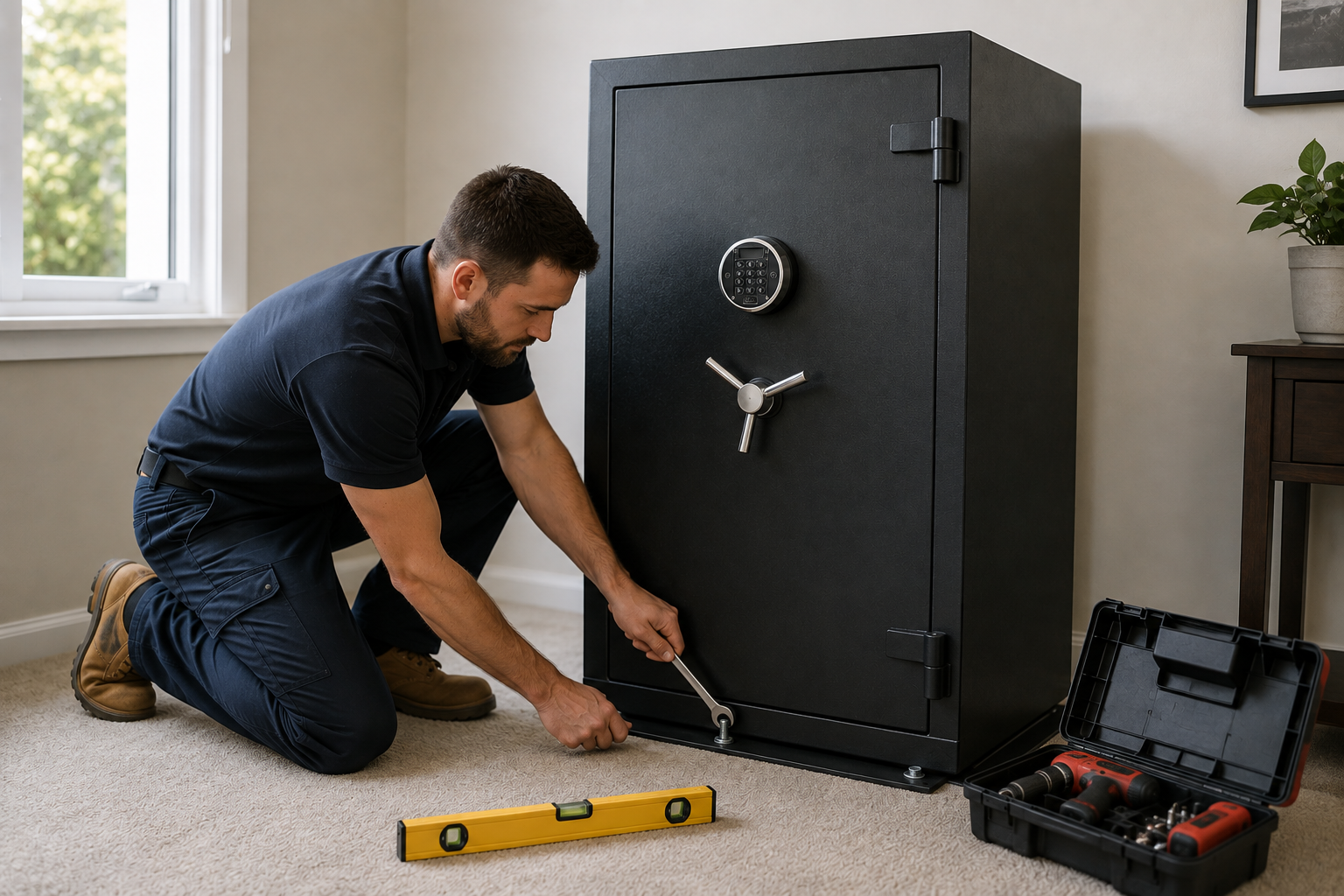
The new location is assessed before the safe is fixed down, checking the floor type and structure to decide the right anchoring method. A slab and a timber subfloor call for completely different approaches, and the destination floor may need a different configuration to the old one. This assessment is the same care that goes into a first-time safe installation, making sure the safe is anchored into something solid rather than just set in a corner.
Re-commissioning: testing locks and final stability check
Once anchored, the safe is re-commissioned. The lock is tested to confirm it operates smoothly after the move, the unit is checked for level so the door seals and swings correctly, and a final stability check confirms the anchoring holds. Only then is the safe genuinely ready to use, with the same security it had before the move. It’s also a natural time to refresh your security habits, such as reviewing how often you change your safe code.
Get Your Safe Moved On Schedule With Precision Safes
A safe doesn’t have to be the stressful part of moving house. With removal booked before handover and reinstallation timed to your possession date, the safe slots neatly into your schedule instead of disrupting it. The team at Precision Safes manages the full safe relocation from end to end, assessing the new property, re-anchoring the safe correctly, and re-commissioning it ready for use. The sooner your dates are in the diary, the smoother moving day runs, so call 0409 860 011 or get in touch to map out your safe’s move before settlement creeps up.